


- Admin
- Sep 04, 2025
- Fundraising & Investments
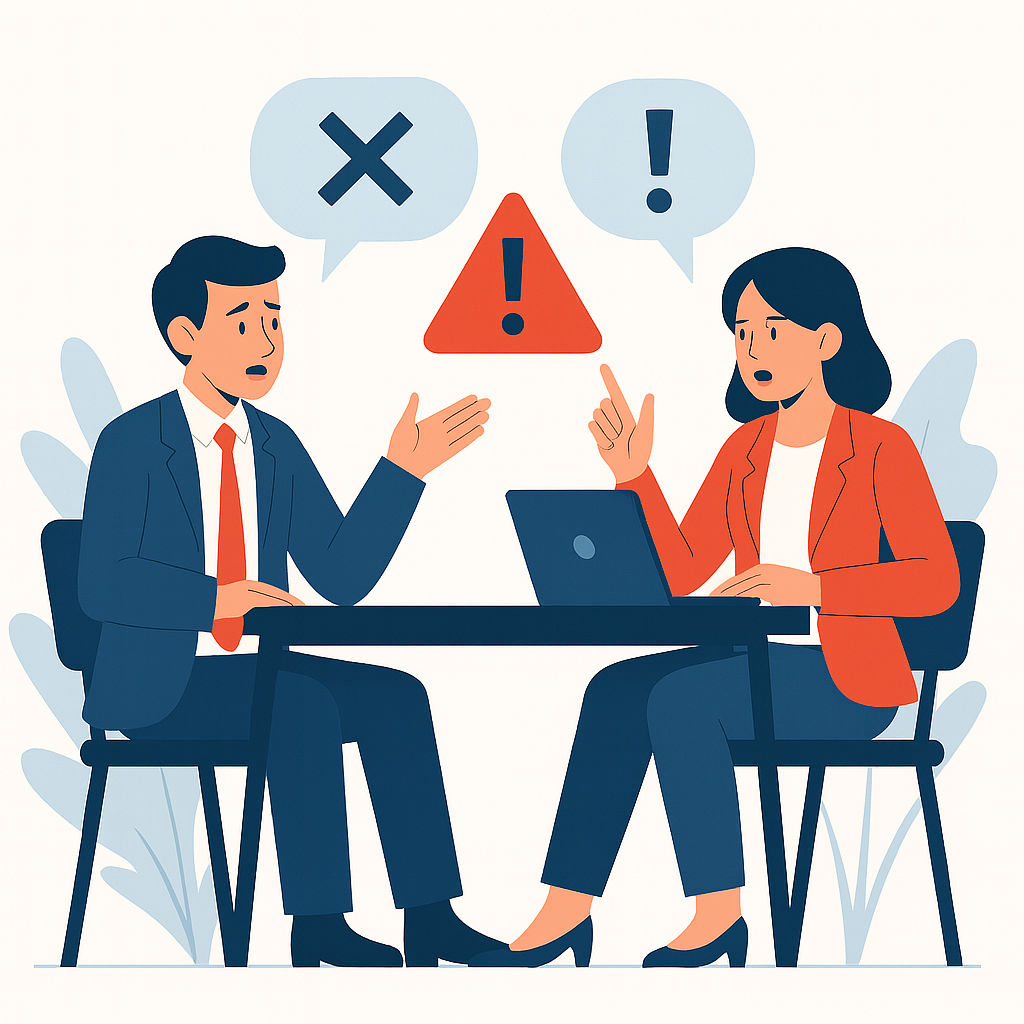
Mistakes to Avoid in Negotiations
Negotiations are a core part of business, whether you are working with partners, clients, or even your own team. The ability to negotiate well can open doors, while mistakes can cost opportunities, money, or even trust. Here are the most common mistakes to avoid during negotiations:
1. Going in Without Preparation
One of the biggest errors is starting a negotiation without clear preparation. If you don’t research your counterpart’s needs, values, and possible alternatives, you’ll be in a weak position. Preparation gives you confidence and leverage.
2. Focusing Only on Price
Many people reduce negotiations to numbers, forgetting about other factors like timelines, quality, long-term cooperation, or added value. A narrow focus on price can lead to losing opportunities for a win-win outcome.
3. Not Listening Enough
Negotiations are not just about talking. If you fail to actively listen, you risk missing key information that could help you build a better deal. Listening builds trust and helps identify real priorities.
4. Showing Desperation
If you appear desperate or too eager, the other side will use it as leverage. Even if you need the deal badly, maintain calm, balanced communication to protect your position.
5. Ignoring Cultural or Communication Differences
In global markets, cultural awareness is essential. What is normal in one country may be seen as rude in another. Ignoring such nuances can create unnecessary conflict.
6. Failing to Define Clear Terms in Writing
Handshake deals or verbal promises often lead to misunderstandings. Always finalize negotiations with a written agreement that covers all key terms clearly.
7. Trying to Win at All Costs
Treating negotiations as a battlefield creates resistance. Good negotiations aim for long-term cooperation, not just a short-term victory. Strive for solutions where both sides feel satisfied.
✅ Conclusion:
Negotiation is both art and strategy. Avoiding these mistakes will help you build trust, protect your interests, and create agreements that are sustainable in the long run.
Share on